Q: Can I just rent the apartment for three or four months?
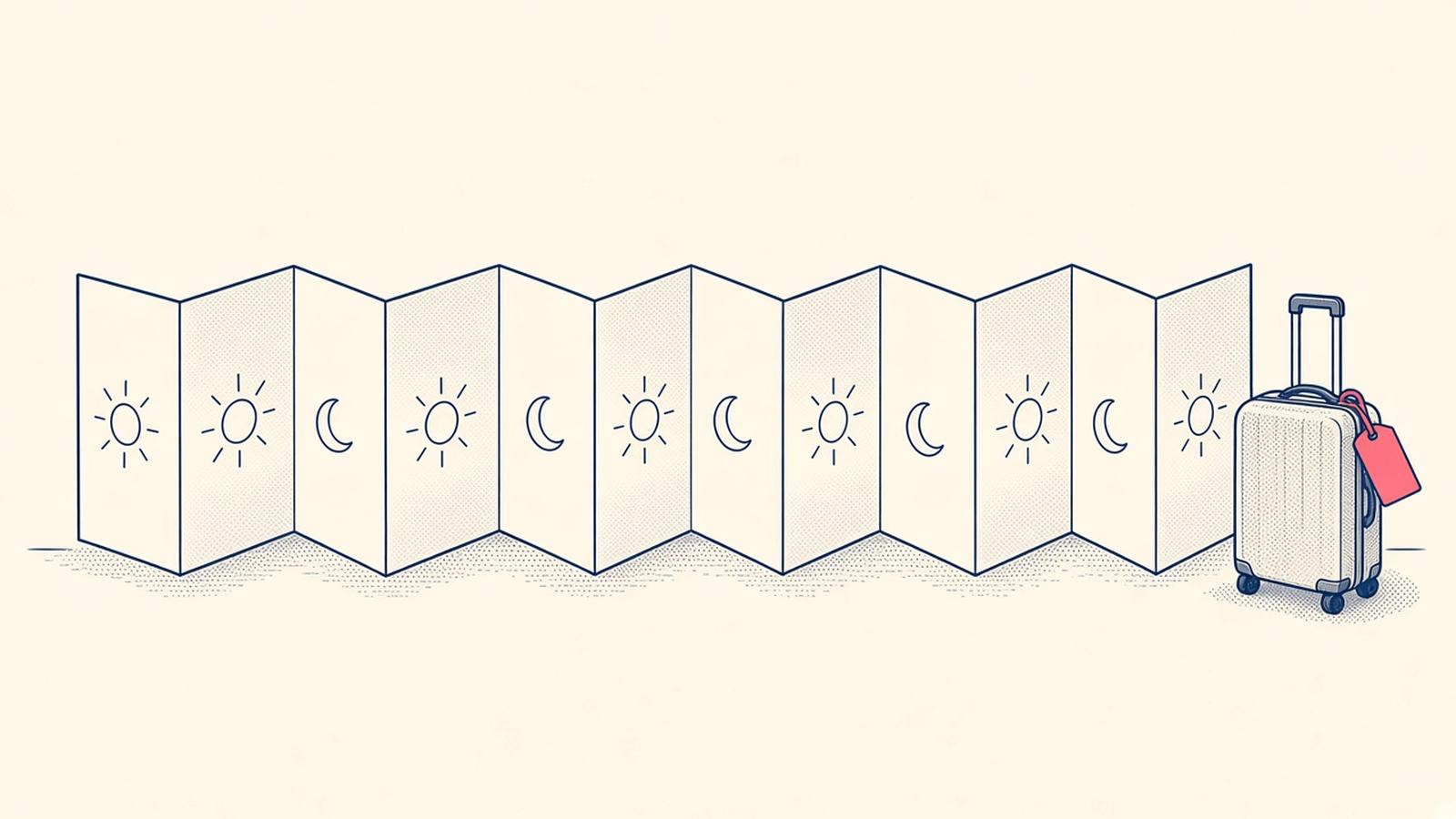
I get this one every season. Snowbirds, people between houses, someone starting a new job. And for many of the owners I work with, the answer is: our leases are a minimum of 6 months.
It’s not because we’re difficult. We’re only a little difficult. It’s because of taxes.
The short version: in Florida, short rentals are treated like hotel stays. They can be subject to state sales tax plus local tourist taxes in Miami-Dade. That means the owner has to register, collect the tax, file returns (often every month) and pay it. For a hotel, that’s normal. For a family that owns one condo, it’s a whole second job. An unpaid one. With forms.
On top of that, many Miami buildings have their own rules about minimum lease terms, and some cities limit short-term rentals in certain areas. The building’s rules can be stricter than the law.
So what we do:
- Our leases are written for a minimum of 6 months, and we keep the dates clean so there’s no confusion about the term.
- If there’s a gap between two leases, even with the same tenant, the new one counts as a new lease. So the new one has to meet the minimum too.
- If you need something shorter, I’ll be honest and tell you that this unit isn’t the right fit, and help you look at places that are set up for short stays.
If you’re an owner:
- Check your building’s rules before you promise anybody anything.
- Talk to your accountant about whether a short rental would make you a tax collector. (Spoiler: probably.)
- Write the dates carefully. A lease that “ends around April” is how problems start.
If you’re a tenant: six months goes fast in Miami. You blink, and it’s mango season again.
— Arianne
Source: Florida Statutes §212.03 (transient rentals tax); Florida Department of Revenue guidance on transient rentals. See index. General information, not tax advice.